• Skip to main content
  • Skip to primary sidebar

Patti Cotton

Executive Coach & Career Strategist

  • About
  • Consulting
  • Training
  • Speaking
  • Blog
  • Contact

strategic planning

The Role of Mindset in Leadership Success

July 31, 2024 By Patti Cotton Leave a Comment

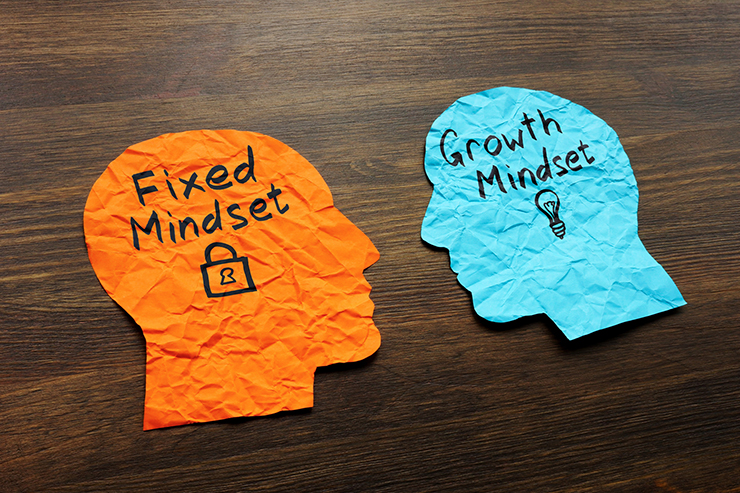
The Role of Mindset in Leadership Success
Image Credit: Depositphotos

When it comes to leadership, the importance of mindset cannot be overstated. How leaders perceive challenges, handle feedback, and inspire their teams is deeply rooted in their mindset. A growth-oriented mindset can transform obstacles into opportunities, fostering an environment where both the leader and their team can thrive.

The Struggle

James was the CEO of a mid-sized tech company that had seen rapid growth over the past few years. When he reached out, he had been struggling to maintain this momentum and keep his team motivated. The market was more volatile than ever, and the competition was fierce.

“I’m overwhelmed,” he told me. “I’m not sure about my ability to steer the company through such choppy waters.”

He was convinced that his main issue was external—market volatility and increasing competition. Seeing these challenges as insurmountable obstacles, he felt stuck and unable to come up with effective solutions. His team sensed James’ stress and self-doubt.

The Source

To get to the heart of his struggles, let’s examine James’ mindset. Drawing on Carol Dweck’s research on fixed and growth mindsets, we can see why he would hit a wall.

A fixed mindset assumes abilities and intelligence are static, while a growth mindset believes they can be developed through effort and learning.

James certainly exhibited a fixed mindset.

He saw the current challenges as beyond his control and doubted his leadership abilities were enough to overcome them. This mindset limited his capacity to adapt, innovate, and inspire his team.

This hindered his effectiveness and created a culture of fear and resistance to change. Team members became reluctant to take risks or propose new ideas, leading to stagnation and missed opportunities.

James needed to pivot quickly, or he risked losing his team and his company.

The Strategy

To jumpstart turning things around, we convened off-site for two days to set a vision for his leadership, craft an actionable strategic plan with immediate actions, and do some deeper interventional work to diffuse the origins of his fixed mindset.

We then worked over the next few months to continue cultivating his growth mindset and his abilities to deal with the internal and external challenges that his company faced.

The Shift

James’ team noticed the difference right away, and in the coming weeks and months, their morale and trust rose along with James’ ability to lead and the positive outcomes this produced. It was a pleasure for me to sit in on some of the meetings to observe and support James as he made incremental shifts that made a monumental difference.

How much of a growth mindset do you have? Check yourself here – how do you rate?

  1. I am confident and at ease in embracing challenges.
    • I view challenges as opportunities for personal and professional development.
    • I encourage risk-taking and innovation within the team.
  2. I appreciate learning from constructive feedback.
    • I use constructive feedback as a tool for growth rather than a personal attack.
    • I create an open environment where feedback is welcomed and valued.
  3. I persist in the face of setbacks.
    • I develop resilience by learning from failures and persevering through difficulties.
    • I share stories of past challenges and how they were overcome to inspire the team.

Here are some tips to foster a leader’s growth mindset:

  1. Practice Mindfulness
    • Engage in mindfulness practices such as meditation to increase self-awareness and emotional regulation.
    • Mindfulness helps leaders stay present, reducing stress and improving decision-making. Sarah can start her day with a brief mindfulness session to center herself and approach challenges with a calm and focused mind.
  2. Continuous Learning
    • Commit to lifelong learning by regularly reading books, attending workshops, and seeking new experiences.
    • Encourage the team to pursue personal development opportunities. Sarah can create a learning culture within her organization by providing resources and incentives for continuous education and professional growth.
  3. Surround Yourself with Growth-Minded People
    • Build a network of mentors, peers, and advisors who embody a growth mindset.
    • Engage in regular discussions with these individuals to gain new perspectives and insights. Sarah can join industry groups and networking events to connect with other growth-minded leaders and learn from their experiences.

Mindset matters—a lot.

The mindset of a leader significantly influences their effectiveness and the success of their organization. By shifting from a fixed mindset to a growth mindset, other leaders like James can transform challenges into opportunities for growth and innovation. Embracing challenges, learning from constructive feedback, and persisting in the face of setbacks are key steps in fostering a growth mindset.

Cultivating a growth mindset is an ongoing journey that can transform leadership effectiveness and overall organizational success. By practicing mindfulness, committing to lifelong learning, and surrounding themselves with growth-minded individuals, leaders can create a culture of growth and fulfillment within their organizations.

If you’re a leader feeling stuck, take a step back and ask yourself: Is it time for a mindset shift? You might be surprised at the doors it opens.


© Patti Cotton and patticotton.com. All rights reserved. Unauthorized use and/or duplication of this material without express written permission from the author is strictly prohibited. Excerpts and links may be used, provided that attribution is made to Patti Cotton and patticotton.com, with links thereto.

Patti Cotton

Patti Cotton reenergizes talented leaders and their teams to achieve fulfillment and extraordinary results. For more information on how Patti Cotton can help you and your organization, click here.

From Firefighting to Strategic Leadership: Breaking the Cycle of Urgency

June 12, 2024 By Patti Cotton 1 Comment

From Firefighting to Strategic Leadership: Breaking the Cycle of Urgency
Image Credit: Depositphotos

In today’s fast-paced business environment, many senior executives find themselves perpetually in fire-fighting mode. This means they seldom feel the bandwidth to focus on the things that are most important to move the company forward.

Marc reached out to me at a time when, in his words, he had “fallen prey to the tyranny of the urgent.”

“It’s critical that I make a pivot,” he said. “My board has set some stretch goals that will require most of my time. I was already fighting to focus on what is most important. Now, I just don’t know how to dig myself out of this hole.”

Indeed, the constant barrage of urgent issues that executives face can demand their immediate attention. And, as in Marc’s case, this often occurs at the expense of being able to focus on more important, long-term strategic goals. This mode of operation, while seemingly productive, can create a culture of quick fixes and reactive decisions, ultimately hindering sustainable growth and innovation. It can also mentally and physically drain even the greatest of executives.

What can you do when this happens?

The Perceived Problem: Urgency Over Importance

Executives often perceive their primary challenge as the need to address urgent issues swiftly. The pressure to respond immediately to crises can be overwhelming, leading to a perpetual cycle of urgent task management. This sense of urgency is fueled by several factors.

  • Market Volatility: Rapid changes in market conditions demand quick responses to maintain competitive advantage.
  • Stakeholder Expectations: Shareholders, customers, and employees expect prompt solutions to emerging problems.
  • Technological Advancements: The fast-paced evolution of technology requires constant adaptation and rapid decision-making.

While addressing urgent issues is undeniably crucial, this focus often comes at the expense of more important, strategic initiatives that drive long-term success.

The Real Problem: A Culture of Reactivity

The real problem lies deeper than the immediate need to manage urgent tasks. It is rooted in a culture that prioritizes reactivity over proactivity. This culture manifests in several ways:

  • Short-Term Focus: Emphasizing immediate results over long-term goals creates a myopic view of success.
  • Lack of Reflection: The constant state of urgency leaves little room for reflection, analysis, and learning from past experiences.
  • Decision-Making Fatigue: Continuous quick fixing can lead to decision-making fatigue, where the quality of decisions deteriorates over time.
  • Inadequate Planning: Insufficient time and resources are allocated to strategic planning, resulting in reactive rather than proactive leadership.

This reactive culture not only hampers strategic growth but also creates an environment where systemic issues remain unaddressed, leading to recurring problems.

Marc admitted that his executive team struggled with the same issue, firefighting becoming the norm at the expense of focusing on the strategic.

“And if they are challenged in this way, it probably means that their own teams are also doing the same,” he said.

“I can guarantee it,” I responded. “If you and your team are experiencing this, it’s sure to ripple throughout the company. However, this can be turned around – and it starts with you.”

Solutions: Shifting from Firefighting to Strategic Leadership

To break free from the cycle of firefighting, executives must cultivate a culture of strategic leadership. This requires a shift in mindset, processes, and organizational structure.

Here are actionable solutions to facilitate this transformation.

  1. Prioritize Strategic Planning

    • Dedicated Time for Strategy: Allocate specific times in the calendar exclusively for strategic planning and reflection. This helps ensure that long-term goals are not overshadowed by daily urgencies.
    • Scenario Planning: Regularly engage in scenario planning exercises to anticipate potential challenges and opportunities, allowing for more prepared and proactive responses.
  2. Empower and Delegate

    • Build a Strong Leadership Team: Develop and empower a leadership team that can handle urgent issues, freeing up senior executives to focus on strategic initiatives.
    • Delegation and Trust: Delegate authority and decision-making to capable team members, fostering a culture of trust and accountability (see previous article on delegation).
  3. Foster a Learning Culture

    • Encourage Reflection: Promote a culture where reflection and learning from past experiences are valued. Regularly conduct post-mortem analyses of projects and crises to identify lessons learned. When Marc and his team implemented this, they not only pinpointed areas for improvement, but they used this as a learning lab to cultivate innovation.
    • Continuous Improvement: Implement continuous improvement processes that encourage innovation and the proactive identification of potential issues before they become urgent.
  4. Implement Effective Systems and Processes

    • Crisis Management Framework: Develop a robust crisis management framework that outlines clear roles, responsibilities, and protocols for handling emergencies efficiently.
    • Proactive Risk Management: Establish comprehensive risk management practices that identify, assess, and mitigate potential risks before they escalate into crises.
  5. Balance Urgency and Importance

    • The Eisenhower Matrix: Utilize tools like the Eisenhower Matrix to differentiate between urgent and important tasks, ensuring that important but non-urgent tasks receive adequate attention. Marc’s team began to review this as part of their weekly meeting to bring consensus to priorities and reported saving hours weekly by doing so.
    • Strategic KPIs: Define and track key performance indicators (KPIs) that align with long-term strategic goals, ensuring that progress towards these goals is regularly monitored and prioritized.
  6. Promote a Visionary Mindset

    • Vision and Mission Alignment: Regularly communicate the organization’s vision and mission to ensure that all team members are aligned with the long-term strategic direction.
    • Innovation and Creativity: Encourage innovative thinking and creativity within the organization, fostering an environment where new ideas and approaches are welcomed and explored.

Breaking free from the cycle of firefighting requires a deliberate and concerted effort to shift towards strategic leadership. By prioritizing strategic planning, empowering teams, fostering a learning culture, implementing effective systems, balancing urgency and importance, and promoting a visionary mindset, executives can transform their organizations from reactive to proactive. This shift not only enhances the organization’s ability to navigate immediate challenges but also positions it for sustained long-term success. In the end, moving away from firefighting and towards strategic leadership is not just a necessity—it’s a strategic imperative.

This transformation is not easy and requires a significant shift in mindset and organizational culture. The list of potential strategic solutions may feel daunting. I encourage you to pick one or two areas and start there, integrating more along the way. Even one tool listed above will move the needle for you.

Indeed, the rewards—sustainable growth, innovation, and a resilient organization—are well worth the effort. Executives who embrace this shift will find themselves better equipped to lead their organizations through the complexities of today’s business environment and beyond.


© Patti Cotton and patticotton.com. All rights reserved. Unauthorized use and/or duplication of this material without express written permission from the author is strictly prohibited. Excerpts and links may be used, provided that attribution is made to Patti Cotton and patticotton.com, with links thereto.

Patti Cotton

Patti Cotton reenergizes talented leaders and their teams to achieve fulfillment and extraordinary results. For more information on how Patti Cotton can help you and your organization, click here.

Navigating the Maze of Polycrisis in Executive Decision-Making

May 14, 2024 By Patti Cotton 1 Comment

Navigating the Maze of Polycrisis in Executive Decision-Making
Image Credit: Depositphotos

In today’s interlinked global environment, senior executives face not just isolated crises but a tangle of them known as polycrisis. This term refers to an entanglement of several crises that are deeply interconnected, affecting multiple spheres simultaneously and often exacerbating one another.

What does this mean for you?

For Jane, it meant not only her role, but her well-being. Jane was a senior executive at a multi-national corporation who faced significant challenges during an unprecedented polycrisis involving economic instability, public health issues, and internal team conflicts.

Initially, the compounded stressors led to decision fatigue, which blurred her focus on critical business drivers. Habitually, she found herself making decisions reactively, without all the necessary facts, just to keep pace with the evolving situations.

As the crises continued, Jane noticed a concerning trend: her ability to concentrate and engage in strategic thinking was diminishing. She described this as a “foggy brain,” a state where even simple decisions became daunting tasks. This cognitive clouding was not just a temporary lapse but a persistent condition that began to affect her leadership efficacy and personal well-being.

This showed in many ways – her decisions were sloppy and had a negative impact on the company, her team was nervous and wondered if she was ill, her credibility was slipping with her colleagues, and her CEO finally told her to go home for a week and figure out what was wrong.

When she called me, she had been home for three days and was ready to quit.

It was clear that she needed cognitive resilience strategies.

Through tailored mindfulness practices, prioritization exercises, and cognitive restructuring sessions, she gradually reclaimed her mental clarity. Over several months, Jane learned to manage her cognitive load more effectively, allowing her to make confident, strategic decisions once again, despite the ongoing uncertainties of the polycrisis environment.

Why didn’t I just direct Jane to rebalance her workload and delegate more?

On the surface, this issue seems to be the sheer volume of crises demanding attention. Executives often describe a sense of being perpetually behind, struggling to keep up with the cascade of decisions that each crisis requires. This often results in a reactive stance, moving from one urgent issue to another, which can feel like an endless game of whack-a-mole.

But it’s more dangerous than that.

Beneath the surface, the true challenge is the neurological toll that sustained stress takes on the brain’s executive functions. Persistent high stress disrupts our neural pathways, leading to a reduced capacity for the kind of complex, strategic thinking that senior executives need. It biases the brain toward immediate, fight-flight-freeze-fawn responses rather than thoughtful, long-term planning.

Over time, this chronic trauma response will affect more than your decision-making and stamina – this dynamic will wreak havoc with your physical and mental health.

This means that long weekends and delegating more simply won’t work.

So, what can you do to retain a strong capacity for complex, strategic thinking?

I worked with Jane to reframe her approach to decision-making. Here are some ways you can do the same:

  • Embrace Systems Thinking
    View the polycrisis through a holistic lens, recognizing the interdependencies and potential cascading effects of decisions.
  • Cultivate Cognitive Resilience
    Counteract stress and maintain cognitive function by incorporating resilience-building practices into your routine.
  • Promote Psychological Safety
    Encourage an organizational culture where team members feel safe to express concerns and ideas, fostering a collaborative approach to problem-solving.
  • Prioritize and Pivot
    Learn to dynamically evaluate and adjust priorities as situations evolve.

I also gave Jane some practical tools to strengthen her cognitive capacity.

Again, here are some tips and tools for you to consider:

  • Mind Mapping and Visualization Tools
    Employ digital mind-mapping software to chart out the complexities and connections between various crises. Tools like MindMeister or Coggle can help in visualizing these relationships.
  • Scenario Analysis
    Conduct robust scenario analysis using strategic planning tools. Software like Scapple or simple SWOT analysis templates can assist in preparing for various future states.
  • Mindfulness Apps
    Leverage mindfulness and meditation apps designed for busy professionals, such as Headspace or Calm, to build mental resilience and enhance focus.
  • Team Collaboration Platforms
    Utilize team collaboration platforms like Asana or Trello to delegate effectively, ensuring tasks are managed without micromanagement.
  • Regular Team Huddles
    Establish a rhythm of short, focused team meetings to stay aligned. Use these check-ins not only to track progress but to collectively recalibrate as new information emerges.
  • Continuous Learning
    Invest in executive education programs focused on leading in complexity and ensure access to similar learning resources for your team to build a knowledgeable, agile organization.

Jane and I worked together for a year and, during that time, her decision-making regained its sharpness. She recouped a tremendous amount of mental and physical energy, reignited her passion for her work, and was able to coach and train her team to do the same. Over time, she regained credibility and influence, and eventually succeeded the CEO.

By redefining the approach to decision-making within a polycrisis context, executives can regain control of their cognitive capacities, lead with clarity, and guide their organizations through the stormy seas of concurrent crises. These strategies and tools are not just lifelines but also instruments for crafting a more resilient and responsive leadership framework.


© Patti Cotton and patticotton.com. All rights reserved. Unauthorized use and/or duplication of this material without express written permission from the author is strictly prohibited. Excerpts and links may be used, provided that attribution is made to Patti Cotton and patticotton.com, with links thereto.

Patti Cotton

Patti Cotton reenergizes talented leaders and their teams to achieve fulfillment and extraordinary results. For more information on how Patti Cotton can help you and your organization, click here.

Is Your New Executive a Poor Cultural Fit – or Simply Situationally Unaware?

October 21, 2020 By Patti Cotton Leave a Comment

Is Your New Executive a Poor Cultural Fit – or Simply Situationally Unaware?
Image Credit: Shutterstock

Most often, great new talent will fail, not because they are incompetent, but because they are what we call a “poor cultural fit.”

Such “poor fits” usually don’t last more than 12-18 months. It’s a big loss for the organization and the executive, both in morale and in the investment of money and time.

But more often than not, what is labeled as “poor cultural fit” is really a lack of situational awareness.

Is your new executive a poor fit? Or simply situationally unaware?

When Chris called me, she was completely demoralized.

“Patti, I have an excellent team. We’ve been through crisis and change and are even stronger than before. But I’m incredibly disappointed about my newest hire, Stan. He was the most promising talent when we onboarded him. And what a track record! But he’s not connecting the dots here at the company. He keeps missing the mark. He’s just an incredibly poor fit with our culture!”

“Chris, what are you seeing that tells you he’s a poor fit?”

“Well, he doesn’t seem to grasp the organizational structure when he makes decisions. The other day, he rode right over my top project manager to fast-track one of his initiatives. And even though we approach decision-making in a democratic fashion, he continues to call the shots on things in which he should include others. I guess I’ve hired a racehorse that doesn’t belong here.”

“Chris, is he willful or stubborn? In other words, is he trying to show off?”

“No, Patti – he truly just seems to operate differently, the way I described. Is there anything I can do?”

“I actually think there is, Chris. If my hunch is correct, Stan lacks situational awareness.”

“Explain, please,” answered Chris.

“Stan may simply need to develop a better lens in reading the social and political currents of the organization. Right now, it sounds as though he doesn’t have a good read on your organizational norms – the way you do things there. And he may also not understand the power relationships and how they work at the company.”

“Whatever it is, please help,” said Chris. “The other team members are distrustful of Stan, and his seasoned reports are shutting down.”

Chris arranged for me to meet Stan the next week. I felt sorry for him. He realized he was making mistakes and had become frustrated.

“I’m finding it very difficult to get things done here, Patti,” he said. “I’ve been handed some aggressive goals. and I see what’s possible. But I seem to keep treading on people’s toes, and there are obviously some unspoken rules around here. I’m lost.”

Stan and I talked a bit about his onboarding process.

“Truthfully, I was welcomed at a strategic planning retreat and met all my colleagues. I have meant to get around to meeting each one, learning more about what they do, how things work. But we have some time-sensitive goals, and they are pretty challenging. So, I’ve gotten to know them only through our interactions in team meetings. And, of course, I have a copy of the strategic plan with responsibilities assigned.”

“Who is mentoring you in this first phase of your employment?” I asked.

“Mentoring? No one. Chris says she’s available for any questions. But she’s pretty busy. I’m just pushing through this as best I can. But I’m really not making friends.”

I sat with Chris later and shared my thoughts.

“You have a bright executive. And he’s willing. He knows he’s in trouble. The challenge here is that he doesn’t have someone to walk him through the political and social networks he needs to know in order to get things done.”

“I’ve been pretty busy,” Chris admitted. “He does come in and ask questions from time to time. We talked through his responsibilities with the strategic plan. What else can I do?”

“Have you identified key stakeholders for each of his initiatives and introduced him to them?”

“No,” Chris answered slowly.

“Have you walked through your decision-making process here at the company?” I asked.

“No,” she said. Her shoulders drooped. “Wow. I’ve really messed up this onboarding, haven’t I? I’ve actually set him up for failure.”

“It’s not too late,” I countered. “Let’s sit with him and get a plan together. I don’t think you need to bear the full responsibility of this – but it needs to be orchestrated. I have some ideas.”

A few weeks later, Stan called me to thank me.

“What a difference,” he said. Taking the time to talk through how things work around here, how people get things done – invaluable. Having a couple of colleague mentors to help bounce things off of before I press a button – what a change. I just wanted to thank you.”

“Stan, I’m glad it’s working out,” I said. “You have a lot of contribute.”

“You know, Patti, I guess I should have asked Chris to help me come up with such a strategy. It never occurred to me since I had never encountered such a problem elsewhere. But – lesson learned.”

Lesson learned is exactly what Chris said later, as well.

“We all have our growing edges, Chris,” I said. “You have pushed through another one. You are on your way.”

What about you? Do you have an executive who finds it hard to get the work done?

Do they tread on others’ toes? Are they having trouble connecting the dots? It will be well worth your time to sit with your team member to explore where the gaps are. And be prepared because you may discover that one of the gaps is you.

In addition to resolving the issue, it could be a great opportunity for leadership growth at many levels, including your own.

The Clockwork of Excellent Leadership:   3 Essential Gears

What makes up excellent leadership? The essential components that go into leadership must all work together, or they begin to wear on one another and bring things to a stop. Learn how to keep them running like clockwork. Sign up to receive the  complimentary infographic.


© Patti Cotton and patticotton.com. All rights reserved. Unauthorized use and/or duplication of this material without express written permission from the author is strictly prohibited. Excerpts and links may be used, provided that attribution is made to Patti Cotton and patticotton.com, with links thereto.

Patti Cotton

Patti Cotton reenergizes talented leaders and their teams to achieve fulfillment and extraordinary results. For more information on how Patti Cotton can help you and your organization, click here.

Five Reasons Executive Coaching Experiences Fail

April 18, 2018 By Patti Cotton Leave a Comment

Five Reasons Executive Coaching Experiences Fail
Image Credit: Shutterstock

You realize that developing your leadership and that of your team gives you a competitive advantage. After all, behavior is what drives your company’s strategy, structure, culture, and systems.

You are also starkly aware that what got you to this point won’t carry you into the future. In this complex world, a commitment to developing talent at all levels of the enterprise is not a nice idea – it’s a necessity.

Where do you start? You’ll want to model from the top, and so you are probably thinking that a first good step would be to hire a coach for you and key members of your executive team.

Executive coaching has been highly recommended to you as leader as the best answer to your development.  You’ve read the statistics and they sound promising. The ROI for executive coaching has a healthy average of 7 to 10 times the investment, with some even reporting up to 49 times.

But you have a nagging doubt that has kept you from making a move to start the process. What if it doesn’t work for you? You’ve heard of a couple of stories where another decision-maker’s coaching experience didn’t meet expectations. Wasted time, energy, and money.

How can you make sure you get the same great results you keep reading about – and move confidently as you meet the future, now?

Here are 5 reasons that executives might not get the kind of return you read about – and how to start out right so that you can make an investment that pays off well for you.

Five Reasons Executive Coaching Experiences Fail

1. You don’t know what kind of coach you need.

Opening a coaches’ directory will reveal different kinds of coaches, and the choice can be overwhelming. Here are the three primary types of coaches so that you can see the difference:

a. Life coach – focuses on the whole person, personal and professional goals, aspects of life such as health, wellness, personal finances, life direction, and more.

b. Business coach – brings processes, tools, and concepts to team and enterprise growth (business coach and business consultant are closely related with quite a bit of overlap). Works on a variety of goals, including strategy, marketing, overall performance, and more.

c. Executive coach – helps unlock leadership potential, facilitating change in someone’s personal behavior that will ultimately result in achieving business goals. Executive coaches are typically hired to help C-suite, VPs and other executives with setting, supporting, and achieving personal improvement goals. Examples of focus can include developing greater leadership skills, managing staff, improving communication, managing conflict well, increasing productivity, increased agility, decision-making, and more.

2. Your coach doesn’t have the formal training and certification to be most effective.

Has your coach had the benefit of a robust accredited coaching program that utilizes proven methodologies for best adult learning and development?  And are they certified with the International Coach Federation or similar accrediting body so that you can be sure they meet highest standards in ethics and in practice?

3. Your coach doesn’t use a solid model and framework for results.

Unless your coach can use a solid model and process that keeps you focused on the goals you set with them, keeps you moving forward, allows you to assess progress as you move forward, and has the ability to truly measure outcomes, then you will not be able to bank on best results.

4. Your coach can’t meet you at your level to provide the support you need.

Coaches vary in their own levels of personal development and leadership experience. A coach does not need your industry background, or to have held the same position you now hold. However, they need to be able to help you navigate your growth and understanding where you are in your development and how you meet the world is vital to their asking the right questions to do so. The coach’s own leadership background, as well as their past client roster and client testimonials should be helpful indicators as to whether they can support you well in this regard.

5. You aren’t willing to do the work.

Change is challenging, and it requires great courage and vulnerability to look at one’s own “growing edges.” Many clients have hired coaches, only to go through the motions and not give the initiative the focus necessary to truly develop self. If you recognize that you are ready to step into a higher level of leadership, make the commitment to do the work. The results are life-changing when you give it 100%.

In order to manage well in an ever-evolving, complex world, having an able thought partner who helps you to see the landscape and navigate well is priceless. The ROI of executive coaching can be a game-changer for you, your team, and the company, if you are confident in how to go about selecting a coach, and if you make a strong commitment to change.

Patti Cotton

Patti Cotton reenergizes talented leaders and their teams to achieve fulfillment and extraordinary results. For more information on how Patti Cotton can help you and your organization, click here.

  • Page 1
  • Page 2
  • Go to Next Page »

Primary Sidebar

Patti Cotton
Tweets by @PattiCotton
  • About
  • Consulting
  • Training
  • Speaking
  • Blog
  • Contact
Home | Contact | Privacy Policy

© 2024 Cotton Group LLC | PATTI COTTON 360° LEADERSHIP®