• Skip to main content
  • Skip to primary sidebar

Patti Cotton

Executive Coach & Career Strategist

  • About
  • Consulting
  • Training
  • Speaking
  • Blog
  • Contact

mindset

Why Achieving What You Want May Not Make You Happier

August 14, 2024 By Patti Cotton Leave a Comment

Why Achieving What You Want May Not Make You Happier
Image Credit: Depositphotos

How Fulfilled Are You?

In our goal-driven society, many believe that achieving certain milestones—landing the dream job, buying a luxurious home, reaching a specific net worth—will lead to lasting happiness.

However, research and psychological insights suggest otherwise.

In fact, the notion that achieving what you want will make you perpetually happier is flawed.

Why is this?

Your “happiness set point” won’t allow it.

Happiness Set Point

The concept of the “happiness set point” is key to understanding why achievements don’t lead to long-term happiness. This idea, stemming from research in positive psychology, posits that individuals have a relatively stable level of happiness that they return to after experiencing highs or lows. This baseline is shown to be influenced by genetic factors and long-term personality traits.

One of the seminal studies in this area was conducted by psychologists Brickman and Campbell in 1971, introducing the “hedonic treadmill” theory. They observed that both lottery winners and paraplegics, after initial spikes in happiness or despair, tended to return to their baseline happiness levels over time.

Subsequent studies have reinforced these findings, suggesting that our life circumstances only account for about 10% of our overall happiness, while 50% is genetic and 40% is influenced by activities and mindset.

Does this mean you can’t change your happiness set point?

Are you doomed to reach what you have experienced in the past as the top of your “fulfillment quotient”?

Quite the contrary.

A CEO’s Experience

John, the CEO of a prominent healthcare facility, had always been driven by his professional goals. With decades of hard work, he transformed a small clinic into a leading healthcare provider in his region. Despite his impressive achievements, John found himself feeling unfulfilled and stressed. His initial excitement and pride over his accomplishments faded quickly, replaced by a constant pressure to achieve more.

When John and I first met, he believed that his unhappiness stemmed from the relentless demands of his job and the pressure to continually expand and innovate. He thought that by reaching new milestones—such as opening more facilities, increasing patient satisfaction scores, and boosting the clinic’s financial performance—he would find lasting happiness and fulfillment.

In reality, John’s unhappiness was not about the goals he had yet to achieve but rather his fundamental misunderstanding of the nature of happiness and fulfillment. He was caught in the cycle of hedonic adaptation, where each new success quickly became the new normal, providing only temporary boosts to his happiness.

John’s focus on extrinsic goals, such as professional accolades and financial success, left him neglecting intrinsic sources of happiness, such as personal growth, meaningful relationships, and self-care.

Expectations play a crucial role in the disconnect between achievement and lasting happiness. And although John was an incredibly intelligent leader, he was under a false impression. Having set high expectations for the outcomes of his goals, he believed they would solve many of his problems and bring greater and more consistent joy. When the reality fell short of these expectations, disappointment set in, and the anticipated happiness evaporated.

Moreover, social comparisons exacerbated this issue. In today’s age of social media, where John constantly saw curated highlights of other successful leaders’ lives, his achievements felt inadequate, leading to dissatisfaction despite having reached his goals.

Fortunately, you can elevate your happiness set point. Fulfillment is not beyond reach.

Reset

As we worked together, John’s journey to greater happiness started with understanding of the limitations of achievement-based happiness. Often, we get so caught up in what we think will make us happy that we lose sight of the “why” – the vision of what this will bring us. Along with this, we can often develop a “rat wheel” mentality of pushing harder toward certain goals and actually derail vision.

For example, John had become somewhat of an automaton as it came to targeting higher and higher stretch goals in both his personal and professional life. When I asked him what enough was, he didn’t know. He had forgotten why he was doing it all. He also operated at a high stress level, attempting to push harder and harder under the false assumption that he would get “there” faster (wherever “faster” was).

It was time to regroup. John had not only lost sight of his personal vision, but he had also developed a false version based on what others expected of him. Once we worked through this, we dove deep into his values. Where was he living these? Where was he not doing so? What were the consequences? And how would his life and work change if he aligned these?

Important shifts in how he operated as a leader and in life were identified. Key steps and conversations were targeted and put into his leadership development plan, so that we could work through these.

Results

John’s stress levels began to decrease with each meeting and move forward. As we reshaped how he showed up as a leader and executed within his role, I developed a daily checklist for him to keep at his desk as a reminder.

Checklist

That checklist is below, with some of my notes behind each, showing how we worked together to help John raise his happiness quotient and experience much greater fulfillment.

  1. Focus on Intrinsic Goals.

John started setting goals centered around personal growth, relationships, and community contribution, which provided more lasting satisfaction than extrinsic goals like wealth and professional accolades. He adjusted how he executed in his leadership role so that he was tapping into key strengths and leading within his values.

  1. Practice Gratitude

Regularly reflecting on what he was grateful for counteracted hedonic adaptation and helped John maintain higher levels of happiness. His family reported that they were experiencing John significantly different – much happier, more engaged.

  1. Engage in Flow Activities

John began to immerse himself in activities that fully engaged and satisfied him, known as flow states, creating deep and lasting contentment. We identified how, within the way he worked, he could also achieve this so that he experienced more vibrancy and energy within his leadership role.

  1. Build Resilient Relationships

Strong social connections are consistently linked with higher well-being. John admitted that he had let this part of his life wither. We worked consistently to revive this, and it provided John with enduring happiness that achievements alone could not.

  1. Practice Mindfulness and Acceptance

From the beginning, I invited John to embrace mindfulness techniques. These helped John to lower his stress, strengthen his focus, and in the longer game, appreciate the present moment, eliminating the perpetual yearning for future achievements.

The pursuit of goals and achievements is a natural part of human ambition. However, understanding that these achievements will not lead to perpetual happiness will allow us to shift our focus towards more enduring sources of well-being. By prioritizing intrinsic goals, nurturing relationships, and practicing gratitude, we can create a more balanced and fulfilling life, where happiness is derived not just from what we achieve, but from how we live each day.

References

  1. Brickman, P., & Campbell, D. T. (1971). Hedonic relativism and planning the good society. In M. H. Appley (Ed.), Adaptation Level Theory: A Symposium (pp. 287–302). Academic Press.
  2. Lyubomirsky, S. (2008). The How of Happiness: A Scientific Approach to Getting the Life You Want. Penguin Press.
  3. Diener, E., Lucas, R. E., & Scollon, C. N. (2006). Beyond the Hedonic Treadmill: Revising the Adaptation Theory of Well-Being. American Psychologist, 61(4), 305–314.

© Patti Cotton and patticotton.com. All rights reserved. Unauthorized use and/or duplication of this material without express written permission from the author is strictly prohibited. Excerpts and links may be used, provided that attribution is made to Patti Cotton and patticotton.com, with links thereto.

Patti Cotton

Patti Cotton reenergizes talented leaders and their teams to achieve fulfillment and extraordinary results. For more information on how Patti Cotton can help you and your organization, click here.
The Role of Mindset in Leadership Success

July 31, 2024 By Patti Cotton Leave a Comment

The Role of Mindset in Leadership Success
Image Credit: Depositphotos

When it comes to leadership, the importance of mindset cannot be overstated. How leaders perceive challenges, handle feedback, and inspire their teams is deeply rooted in their mindset. A growth-oriented mindset can transform obstacles into opportunities, fostering an environment where both the leader and their team can thrive.

The Struggle

James was the CEO of a mid-sized tech company that had seen rapid growth over the past few years. When he reached out, he had been struggling to maintain this momentum and keep his team motivated. The market was more volatile than ever, and the competition was fierce.

“I’m overwhelmed,” he told me. “I’m not sure about my ability to steer the company through such choppy waters.”

He was convinced that his main issue was external—market volatility and increasing competition. Seeing these challenges as insurmountable obstacles, he felt stuck and unable to come up with effective solutions. His team sensed James’ stress and self-doubt.

The Source

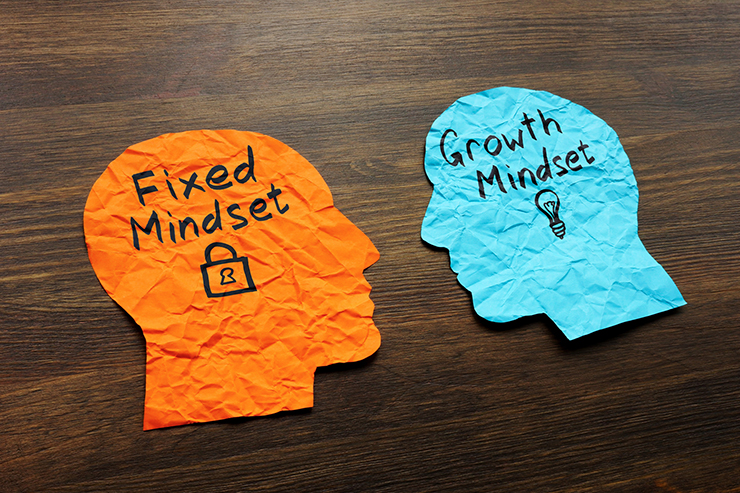
To get to the heart of his struggles, let’s examine James’ mindset. Drawing on Carol Dweck’s research on fixed and growth mindsets, we can see why he would hit a wall.

A fixed mindset assumes abilities and intelligence are static, while a growth mindset believes they can be developed through effort and learning.

James certainly exhibited a fixed mindset.

He saw the current challenges as beyond his control and doubted his leadership abilities were enough to overcome them. This mindset limited his capacity to adapt, innovate, and inspire his team.

This hindered his effectiveness and created a culture of fear and resistance to change. Team members became reluctant to take risks or propose new ideas, leading to stagnation and missed opportunities.

James needed to pivot quickly, or he risked losing his team and his company.

The Strategy

To jumpstart turning things around, we convened off-site for two days to set a vision for his leadership, craft an actionable strategic plan with immediate actions, and do some deeper interventional work to diffuse the origins of his fixed mindset.

We then worked over the next few months to continue cultivating his growth mindset and his abilities to deal with the internal and external challenges that his company faced.

The Shift

James’ team noticed the difference right away, and in the coming weeks and months, their morale and trust rose along with James’ ability to lead and the positive outcomes this produced. It was a pleasure for me to sit in on some of the meetings to observe and support James as he made incremental shifts that made a monumental difference.

How much of a growth mindset do you have? Check yourself here – how do you rate?

  1. I am confident and at ease in embracing challenges.
    • I view challenges as opportunities for personal and professional development.
    • I encourage risk-taking and innovation within the team.
  2. I appreciate learning from constructive feedback.
    • I use constructive feedback as a tool for growth rather than a personal attack.
    • I create an open environment where feedback is welcomed and valued.
  3. I persist in the face of setbacks.
    • I develop resilience by learning from failures and persevering through difficulties.
    • I share stories of past challenges and how they were overcome to inspire the team.

Here are some tips to foster a leader’s growth mindset:

  1. Practice Mindfulness
    • Engage in mindfulness practices such as meditation to increase self-awareness and emotional regulation.
    • Mindfulness helps leaders stay present, reducing stress and improving decision-making. Sarah can start her day with a brief mindfulness session to center herself and approach challenges with a calm and focused mind.
  2. Continuous Learning
    • Commit to lifelong learning by regularly reading books, attending workshops, and seeking new experiences.
    • Encourage the team to pursue personal development opportunities. Sarah can create a learning culture within her organization by providing resources and incentives for continuous education and professional growth.
  3. Surround Yourself with Growth-Minded People
    • Build a network of mentors, peers, and advisors who embody a growth mindset.
    • Engage in regular discussions with these individuals to gain new perspectives and insights. Sarah can join industry groups and networking events to connect with other growth-minded leaders and learn from their experiences.

Mindset matters—a lot.

The mindset of a leader significantly influences their effectiveness and the success of their organization. By shifting from a fixed mindset to a growth mindset, other leaders like James can transform challenges into opportunities for growth and innovation. Embracing challenges, learning from constructive feedback, and persisting in the face of setbacks are key steps in fostering a growth mindset.

Cultivating a growth mindset is an ongoing journey that can transform leadership effectiveness and overall organizational success. By practicing mindfulness, committing to lifelong learning, and surrounding themselves with growth-minded individuals, leaders can create a culture of growth and fulfillment within their organizations.

If you’re a leader feeling stuck, take a step back and ask yourself: Is it time for a mindset shift? You might be surprised at the doors it opens.


© Patti Cotton and patticotton.com. All rights reserved. Unauthorized use and/or duplication of this material without express written permission from the author is strictly prohibited. Excerpts and links may be used, provided that attribution is made to Patti Cotton and patticotton.com, with links thereto.

Patti Cotton

Patti Cotton reenergizes talented leaders and their teams to achieve fulfillment and extraordinary results. For more information on how Patti Cotton can help you and your organization, click here.

Jumpstarting Leadership Abilities

July 9, 2024 By Patti Cotton Leave a Comment

Jumpstarting Leadership Abilities
Image Credit: Depositphotos

When was the last time you undertook a major initiative?

No doubt, you and your team did some careful planning over time to outline a strategic plan and to get the right people and processes in place to launch successfully.

But did you consider what you would personally need in order to lead this expanded arena effectively?

No doubt, it asked more of you – decision-making became more complex, the challenges you and your team faced were new and more involved. That which worked well in the past was now inadequate. You simply chalked up the elevated demand for your personal resources, the additional stress, and the fatigue accompanying this to be part of the natural course for expansion.

Jumpstarting your leadership abilities as you look to launch a new initiative or project is key.

Ideally, it starts in the planning period, but anytime in the process will enhance your success and that of your company.

Why? Because more responsibility requires you to lead at an elevated level. And although coaching over time is the most effective way to develop your leadership abilities, fast-tracking this to meet change can boost your capacity quickly.

John, the Chief Executive Officer of a large healthcare organization, had always been an effective and visionary leader. Under his leadership, the organization had grown significantly, expanding its services and improving patient outcomes. Recently, John was tasked with leading a groundbreaking initiative aimed at integrating cutting-edge technology into the organization’s operations to enhance patient care and streamline processes.

Recognizing the magnitude of this new challenge, John realized that he needed a quick “kick-start” to elevate his mindset, refresh his thinking, and eliminate any old habits that might inhibit his leadership of this new initiative. Despite his past successes, he understood the importance of continuous personal growth and the need to adapt his leadership style to meet new demands.

When he called to explain what he was undertaking, we both agreed he would be well-served to work with an executive coach who could challenge him, be his thought partner, and his sounding board.

His current leadership style, although proven successful, might lack the necessary agility and forward-thinking approach required for this transformative initiative. This could result in slower adoption of new technologies, resistance from staff, and ultimately, a failure to achieve the initiative’s ambitious goals. John needed to rejuvenate his leadership approach, foster a more innovative mindset, and develop strategies to lead this change effectively.

To address this, we decided to jumpstart his leadership development with a 3-day private immersive. John later shared that this made a huge difference in the way he was able to move forward quickly and with greater ease.

Day 1: Assessment and Mindset Elevation

The first day focused on a comprehensive assessment of John’s current leadership style, strengths, and areas for development. During the week prior, I had administered a relevant assessment and conducted some personal interviews with John’s team in order to gain a holistic understanding of John’s leadership profile.

We focused on mindset elevation in the afternoon. Through guided discussions and reflective exercises, John explored the latest trends in healthcare technology, innovation, and leadership. I introduced techniques for fostering a growth mindset, emphasizing the importance of adaptability, continuous learning, and open-mindedness.

Day 2: Strategic Thinking and Innovation

The second day was dedicated to enhancing John’s strategic thinking and innovation capabilities. We began the morning with brainstorming sessions where I guided John as he generated creative solutions and strategies for implementing the new initiative. We discussed potential challenges and devised proactive measures to address them.

In the afternoon, the focus shifted to practical applications. John engaged in role-playing scenarios to practice leading his team through the change process, managing resistance, and communicating the vision effectively. I was able to provide real-time feedback and coaching to refine John’s approach.

Day 3: Habit Formation and Action Plan

The final day concentrated on habit formation and developing a concrete action plan. We identified old habits that could hinder progress and worked on replacing them with new, empowering behaviors. I then introduced techniques for habit change, including visualization, habit stacking, and accountability structures.

In the afternoon, John crafted a detailed action plan for the next 90 days, outlining specific goals, milestones, and key performance indicators. I emphasized the importance of regular reflection and adjustment to ensure continuous improvement and alignment with the initiative’s objectives.

Outcome:

By the end of the 3-day private immersive, John felt rejuvenated, inspired, and equipped with a fresh perspective on leadership. He had a clear action plan and newfound confidence in his ability to lead the organization through this transformative initiative. The intensive coaching session not only provided immediate benefits but also laid the foundation for an ongoing coaching relationship, ensuring John continued to grow and adapt his leadership approach to meet future challenges.

Does a quick intervention, such as a private coaching immersive, replace the classic coaching engagement over time?

No. An immersive is most effective when coupled with regular coaching for lasting change.

But the immersive can be greatly instrumental in fast-tracking senior executives like John to address, plan for, and acquire quick tools to begin the process of elevating their mindset, refresh their thinking, and adopt new habits essential for leading major initiatives.

By addressing potential problems early and equipping leaders with the necessary tools and strategies, organizations can ensure successful implementation and sustained growth in an ever-evolving landscape.

Where do you need to jumpstart your own leadership? What needs to shift or change in order to do so?


© Patti Cotton and patticotton.com. All rights reserved. Unauthorized use and/or duplication of this material without express written permission from the author is strictly prohibited. Excerpts and links may be used, provided that attribution is made to Patti Cotton and patticotton.com, with links thereto.

Patti Cotton

Patti Cotton reenergizes talented leaders and their teams to achieve fulfillment and extraordinary results. For more information on how Patti Cotton can help you and your organization, click here.

From Firefighting to Strategic Leadership: Breaking the Cycle of Urgency

June 12, 2024 By Patti Cotton 1 Comment

From Firefighting to Strategic Leadership: Breaking the Cycle of Urgency
Image Credit: Depositphotos

In today’s fast-paced business environment, many senior executives find themselves perpetually in fire-fighting mode. This means they seldom feel the bandwidth to focus on the things that are most important to move the company forward.

Marc reached out to me at a time when, in his words, he had “fallen prey to the tyranny of the urgent.”

“It’s critical that I make a pivot,” he said. “My board has set some stretch goals that will require most of my time. I was already fighting to focus on what is most important. Now, I just don’t know how to dig myself out of this hole.”

Indeed, the constant barrage of urgent issues that executives face can demand their immediate attention. And, as in Marc’s case, this often occurs at the expense of being able to focus on more important, long-term strategic goals. This mode of operation, while seemingly productive, can create a culture of quick fixes and reactive decisions, ultimately hindering sustainable growth and innovation. It can also mentally and physically drain even the greatest of executives.

What can you do when this happens?

The Perceived Problem: Urgency Over Importance

Executives often perceive their primary challenge as the need to address urgent issues swiftly. The pressure to respond immediately to crises can be overwhelming, leading to a perpetual cycle of urgent task management. This sense of urgency is fueled by several factors.

  • Market Volatility: Rapid changes in market conditions demand quick responses to maintain competitive advantage.
  • Stakeholder Expectations: Shareholders, customers, and employees expect prompt solutions to emerging problems.
  • Technological Advancements: The fast-paced evolution of technology requires constant adaptation and rapid decision-making.

While addressing urgent issues is undeniably crucial, this focus often comes at the expense of more important, strategic initiatives that drive long-term success.

The Real Problem: A Culture of Reactivity

The real problem lies deeper than the immediate need to manage urgent tasks. It is rooted in a culture that prioritizes reactivity over proactivity. This culture manifests in several ways:

  • Short-Term Focus: Emphasizing immediate results over long-term goals creates a myopic view of success.
  • Lack of Reflection: The constant state of urgency leaves little room for reflection, analysis, and learning from past experiences.
  • Decision-Making Fatigue: Continuous quick fixing can lead to decision-making fatigue, where the quality of decisions deteriorates over time.
  • Inadequate Planning: Insufficient time and resources are allocated to strategic planning, resulting in reactive rather than proactive leadership.

This reactive culture not only hampers strategic growth but also creates an environment where systemic issues remain unaddressed, leading to recurring problems.

Marc admitted that his executive team struggled with the same issue, firefighting becoming the norm at the expense of focusing on the strategic.

“And if they are challenged in this way, it probably means that their own teams are also doing the same,” he said.

“I can guarantee it,” I responded. “If you and your team are experiencing this, it’s sure to ripple throughout the company. However, this can be turned around – and it starts with you.”

Solutions: Shifting from Firefighting to Strategic Leadership

To break free from the cycle of firefighting, executives must cultivate a culture of strategic leadership. This requires a shift in mindset, processes, and organizational structure.

Here are actionable solutions to facilitate this transformation.

  1. Prioritize Strategic Planning

    • Dedicated Time for Strategy: Allocate specific times in the calendar exclusively for strategic planning and reflection. This helps ensure that long-term goals are not overshadowed by daily urgencies.
    • Scenario Planning: Regularly engage in scenario planning exercises to anticipate potential challenges and opportunities, allowing for more prepared and proactive responses.
  2. Empower and Delegate

    • Build a Strong Leadership Team: Develop and empower a leadership team that can handle urgent issues, freeing up senior executives to focus on strategic initiatives.
    • Delegation and Trust: Delegate authority and decision-making to capable team members, fostering a culture of trust and accountability (see previous article on delegation).
  3. Foster a Learning Culture

    • Encourage Reflection: Promote a culture where reflection and learning from past experiences are valued. Regularly conduct post-mortem analyses of projects and crises to identify lessons learned. When Marc and his team implemented this, they not only pinpointed areas for improvement, but they used this as a learning lab to cultivate innovation.
    • Continuous Improvement: Implement continuous improvement processes that encourage innovation and the proactive identification of potential issues before they become urgent.
  4. Implement Effective Systems and Processes

    • Crisis Management Framework: Develop a robust crisis management framework that outlines clear roles, responsibilities, and protocols for handling emergencies efficiently.
    • Proactive Risk Management: Establish comprehensive risk management practices that identify, assess, and mitigate potential risks before they escalate into crises.
  5. Balance Urgency and Importance

    • The Eisenhower Matrix: Utilize tools like the Eisenhower Matrix to differentiate between urgent and important tasks, ensuring that important but non-urgent tasks receive adequate attention. Marc’s team began to review this as part of their weekly meeting to bring consensus to priorities and reported saving hours weekly by doing so.
    • Strategic KPIs: Define and track key performance indicators (KPIs) that align with long-term strategic goals, ensuring that progress towards these goals is regularly monitored and prioritized.
  6. Promote a Visionary Mindset

    • Vision and Mission Alignment: Regularly communicate the organization’s vision and mission to ensure that all team members are aligned with the long-term strategic direction.
    • Innovation and Creativity: Encourage innovative thinking and creativity within the organization, fostering an environment where new ideas and approaches are welcomed and explored.

Breaking free from the cycle of firefighting requires a deliberate and concerted effort to shift towards strategic leadership. By prioritizing strategic planning, empowering teams, fostering a learning culture, implementing effective systems, balancing urgency and importance, and promoting a visionary mindset, executives can transform their organizations from reactive to proactive. This shift not only enhances the organization’s ability to navigate immediate challenges but also positions it for sustained long-term success. In the end, moving away from firefighting and towards strategic leadership is not just a necessity—it’s a strategic imperative.

This transformation is not easy and requires a significant shift in mindset and organizational culture. The list of potential strategic solutions may feel daunting. I encourage you to pick one or two areas and start there, integrating more along the way. Even one tool listed above will move the needle for you.

Indeed, the rewards—sustainable growth, innovation, and a resilient organization—are well worth the effort. Executives who embrace this shift will find themselves better equipped to lead their organizations through the complexities of today’s business environment and beyond.


© Patti Cotton and patticotton.com. All rights reserved. Unauthorized use and/or duplication of this material without express written permission from the author is strictly prohibited. Excerpts and links may be used, provided that attribution is made to Patti Cotton and patticotton.com, with links thereto.

Patti Cotton

Patti Cotton reenergizes talented leaders and their teams to achieve fulfillment and extraordinary results. For more information on how Patti Cotton can help you and your organization, click here.

3 Crucial Questions Leaders Need to Answer for 2021

December 30, 2020 By Patti Cotton Leave a Comment

3 Crucial Questions Leaders Need to Answer for 2021
Image Credit: Shutterstock

I hope you have been able to enjoy a safe and meaningful holiday, and that you have this week as a reflection period, as well. Contemplating key questions in order to move forward well in 2021 requires dedicated focus.

Here are 3 crucial questions leaders are currently asking themselves. Can you answer these? And if not, do you have the plan and support you need in order to do so?

1. What should virtual or hybrid work look like for us in the future?

A lot of leaders still hope that as the devastation of COVID is addressed and managed, that all will get back to “business as usual.” However, many of the ways we have had to work this year were already on the horizon as possibility. The virus simply accelerated this. As we move forward, we recognize that working virtually has not only been in place for some time in many businesses, but it is now something that the rest of us need to accept.

Beyond physical logistics, we need to address the potential impact this will have on our ability to deliver; to productivity and outcomes. Culture will need to be considered (see point #2 below). Ways of communicating are important – but what we communicate in order to get things done will need to change, as well. Cultivating soft skills in connection and all things relational will become more important to success.

2. How can we cultivate and maintain a vibrant and positive culture?

Culture is a company’s mission, vision and values in action. Much of this has been eclipsed by the constraints of COVID and having to scramble to work virtually in many cases. Moreover, as we return to work, it will not be as we knew it, but as we create it going forward. Considering virtual and hybrid work environments, how will you keep your organization’s culture vibrant and alive? What will need to change or be implemented in order to create this? Focus on individual, team and organizational behaviors, as well as the processes and systems needed to provide a supportive framework.

And as we move from a knowledge-based mindset to a learner’s mindset (pivotal for meeting the future!), how can you implement a program that supports culture at all levels of the company? This is an oft-neglected part of typical planning, but key to the spirit of belonging and desire to contribute; employee morale, engagement and productivity.

3. What skills and abilities does my executive team need now in order to meet the future?

Your strategic plans dictate what capabilities your team will need in order to execute. Identifying these and putting a development program in place is non-negotiable. You will want to use a blend of proven techniques and modalities that allow your executives to apply their learning to their work. Online learning is here to stay and is just as effective as in-person learning when well executed. How will you identify your needs, what programs are most effective, and how you will receive support to make sure the learning is integrated?

Beyond the individual team members’ growth, however, focus needs to be given to the team as a body. Include the team behaviors and norms you need to see in your own team in order for them to trust each other, to execute together at highest levels. How would they assess trust on the team? Are team members aligned and coordinated in their execution? In their ability to communicate and resolve conflict? Without putting a plan in place to respond to these questions, the best team can become fragmented or siloed, depending on what your organization is facing.

As you read this, what key components will you need to integrate into your planning for 2021? Designing a framework that supports both short and long term is crucial.

Download the Free Infographic

Fill out the form below and get instant access to the HOW TO RAISE YOUR INFLUENCE IN LESS THAN 5 SECONDS infographic.

Share0
Tweet0
Share0

© Patti Cotton and patticotton.com. All rights reserved. Unauthorized use and/or duplication of this material without express written permission from the author is strictly prohibited. Excerpts and links may be used, provided that attribution is made to Patti Cotton and patticotton.com, with links thereto.

Patti Cotton

Patti Cotton reenergizes talented leaders and their teams to achieve fulfillment and extraordinary results. For more information on how Patti Cotton can help you and your organization, click here.

  • Page 1
  • Page 2
  • Go to Next Page »

Primary Sidebar

Patti Cotton
Tweets by @PattiCotton
  • About
  • Consulting
  • Training
  • Speaking
  • Blog
  • Contact
Home | Contact | Privacy Policy

© 2024 Cotton Group LLC | PATTI COTTON 360° LEADERSHIP®