
• Skip to main content
  • Skip to primary sidebar

Patti Cotton

Executive Coach & Career Strategist

  • About
  • Consulting
  • Training
  • Speaking
  • Blog
  • Contact

Leadership

Redefining Success: Aligning Your Leadership Role with Personal Fulfillment

August 7, 2024 By Patti Cotton Leave a Comment

Redefining Success: Aligning Your Leadership Role with Personal Fulfillment
Image Credit: Depositphotos

It’s been a rough four years. No matter where you stand with the events of today’s world, we have experienced unprecedented challenges.

And it has taken its toll.

More business leaders are leaving their roles than at any other time in our lifetime (McKinsey, Forbes). And that echoes the sentiment I am hearing from so many of you. It’s no longer enough for you to weather the proverbial storms in order to reach organizational goals. It’s not enough to persevere in hiring and retaining the right talent to do the job. It’s not enough to feel as though you averted another crisis, completed another long day, and made it through yet another challenge.

On a scale of 1-5, how fulfilled are you as a leader? In your work? Your life?

Perhaps it is time to redefine success.

In the past, success has often been defined by career achievements. But over the last four years, as we have faced unmatched crises and a new and seemingly foreign business landscape, this definition has fallen short. Business leaders are asking for more…not more money, not more opportunities, but for more personal fulfillment. They seek more ease in leading – and more of a personal reward for filling those big shoes.

The fact is, personal fulfillment doesn’t come from occasional exotic trips or long weekends to regroup and re-energize. True fulfillment encompasses both professional and personal aspects of life.

It doesn’t have to be this hard.

And lest you think that this is soft stuff, allow me to make a business case for your personal fulfillment.

Some outcomes from leaders who embrace this include positive energy and motivation, role modeling, improved communication, better decision-making, increased resilience, more empathy and understanding, positive culture, and higher employee retention. The list is significant.

James, CEO and founder of a tech company, had lost his motivation and energy despite his company’s growth and success.

“There’s no excitement in leading anymore,” he shared. “We reach goals, or we don’t – and the alarming thing is, I’m beginning not to care.”

James claimed an overwhelming workload and a constant pressure to perform. But after exploring this in depth with him, the real issue became apparent: there was a lack of alignment between his professional achievements and his personal values.

Digging deeper, I discovered that James’ definition of success was narrowly focused on business metrics, without having defined first his vision of personal fulfillment.

Further, after conducting a comprehensive assessment, it was clear that James did not know how to tap into his top strengths for energy, and his approach conflicted with his top values – a recipe for burnout.

This called for a coaching intervention to help James develop a new definition of success incorporating personal happiness and wellbeing alongside professional achievements.

The Jumpstart

As so many of my clients appreciate, we met for an initial two-day jumpstart away from the office to fast-track the process. This was helpful in elevating James’ sense of hope, energy, clarity, and direction. It was necessary to define James’ values, personal mission and vision before moving on to the business.

This is a key factor that is often missed and, if not done well, can create chronic conflict in the leadership experience. We redefined James’ strengths, as he had taken multiple assessments over time, some of which were not reliable and others which were limited in scope (note to the reader: assessments are not apples and apples – beware!) During that initial two days, we also created a strategic plan to align his daily activities and long-term goals with his newly defined success criteria. This plan addressed both his business leadership and life.

The Deep Dive

With this as our GPS, we then coached over the next year. This is deep and transformational work, including shifting habits and approaches formed over years of time, reshaping the stories that James told himself to open up more potential, and removing roadblocks and triggers that had previously held him in place.

The Result

James’ enthusiasm and joy of leading was re-energized. This had a cascade effect on his executive team and on the company, since a leader’s influence is significant on culture and outcomes. Some of the results for his company included increased productivity, better work-life balance, improved team morale, and overall business growth.

What about you? What is your personal definition of success?

Does it include both career achievements and personal fulfillment? Are you aligned in your values and tapping into your top strengths daily as you lead?


© Patti Cotton and patticotton.com. All rights reserved. Unauthorized use and/or duplication of this material without express written permission from the author is strictly prohibited. Excerpts and links may be used, provided that attribution is made to Patti Cotton and patticotton.com, with links thereto.

Patti Cotton

Patti Cotton reenergizes talented leaders and their teams to achieve fulfillment and extraordinary results. For more information on how Patti Cotton can help you and your organization, click here.
The Role of Mindset in Leadership Success

July 31, 2024 By Patti Cotton Leave a Comment

The Role of Mindset in Leadership Success
Image Credit: Depositphotos

When it comes to leadership, the importance of mindset cannot be overstated. How leaders perceive challenges, handle feedback, and inspire their teams is deeply rooted in their mindset. A growth-oriented mindset can transform obstacles into opportunities, fostering an environment where both the leader and their team can thrive.

The Struggle

James was the CEO of a mid-sized tech company that had seen rapid growth over the past few years. When he reached out, he had been struggling to maintain this momentum and keep his team motivated. The market was more volatile than ever, and the competition was fierce.

“I’m overwhelmed,” he told me. “I’m not sure about my ability to steer the company through such choppy waters.”

He was convinced that his main issue was external—market volatility and increasing competition. Seeing these challenges as insurmountable obstacles, he felt stuck and unable to come up with effective solutions. His team sensed James’ stress and self-doubt.

The Source

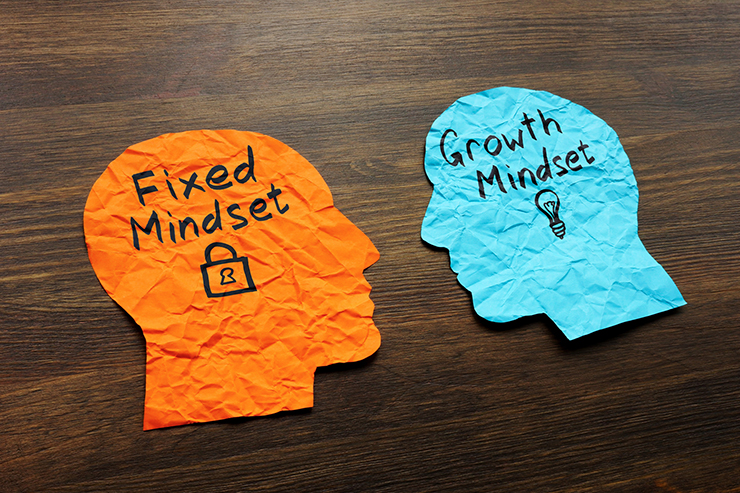
To get to the heart of his struggles, let’s examine James’ mindset. Drawing on Carol Dweck’s research on fixed and growth mindsets, we can see why he would hit a wall.

A fixed mindset assumes abilities and intelligence are static, while a growth mindset believes they can be developed through effort and learning.

James certainly exhibited a fixed mindset.

He saw the current challenges as beyond his control and doubted his leadership abilities were enough to overcome them. This mindset limited his capacity to adapt, innovate, and inspire his team.

This hindered his effectiveness and created a culture of fear and resistance to change. Team members became reluctant to take risks or propose new ideas, leading to stagnation and missed opportunities.

James needed to pivot quickly, or he risked losing his team and his company.

The Strategy

To jumpstart turning things around, we convened off-site for two days to set a vision for his leadership, craft an actionable strategic plan with immediate actions, and do some deeper interventional work to diffuse the origins of his fixed mindset.

We then worked over the next few months to continue cultivating his growth mindset and his abilities to deal with the internal and external challenges that his company faced.

The Shift

James’ team noticed the difference right away, and in the coming weeks and months, their morale and trust rose along with James’ ability to lead and the positive outcomes this produced. It was a pleasure for me to sit in on some of the meetings to observe and support James as he made incremental shifts that made a monumental difference.

How much of a growth mindset do you have? Check yourself here – how do you rate?

  1. I am confident and at ease in embracing challenges.
    • I view challenges as opportunities for personal and professional development.
    • I encourage risk-taking and innovation within the team.
  2. I appreciate learning from constructive feedback.
    • I use constructive feedback as a tool for growth rather than a personal attack.
    • I create an open environment where feedback is welcomed and valued.
  3. I persist in the face of setbacks.
    • I develop resilience by learning from failures and persevering through difficulties.
    • I share stories of past challenges and how they were overcome to inspire the team.

Here are some tips to foster a leader’s growth mindset:

  1. Practice Mindfulness
    • Engage in mindfulness practices such as meditation to increase self-awareness and emotional regulation.
    • Mindfulness helps leaders stay present, reducing stress and improving decision-making. Sarah can start her day with a brief mindfulness session to center herself and approach challenges with a calm and focused mind.
  2. Continuous Learning
    • Commit to lifelong learning by regularly reading books, attending workshops, and seeking new experiences.
    • Encourage the team to pursue personal development opportunities. Sarah can create a learning culture within her organization by providing resources and incentives for continuous education and professional growth.
  3. Surround Yourself with Growth-Minded People
    • Build a network of mentors, peers, and advisors who embody a growth mindset.
    • Engage in regular discussions with these individuals to gain new perspectives and insights. Sarah can join industry groups and networking events to connect with other growth-minded leaders and learn from their experiences.

Mindset matters—a lot.

The mindset of a leader significantly influences their effectiveness and the success of their organization. By shifting from a fixed mindset to a growth mindset, other leaders like James can transform challenges into opportunities for growth and innovation. Embracing challenges, learning from constructive feedback, and persisting in the face of setbacks are key steps in fostering a growth mindset.

Cultivating a growth mindset is an ongoing journey that can transform leadership effectiveness and overall organizational success. By practicing mindfulness, committing to lifelong learning, and surrounding themselves with growth-minded individuals, leaders can create a culture of growth and fulfillment within their organizations.

If you’re a leader feeling stuck, take a step back and ask yourself: Is it time for a mindset shift? You might be surprised at the doors it opens.


© Patti Cotton and patticotton.com. All rights reserved. Unauthorized use and/or duplication of this material without express written permission from the author is strictly prohibited. Excerpts and links may be used, provided that attribution is made to Patti Cotton and patticotton.com, with links thereto.

Patti Cotton

Patti Cotton reenergizes talented leaders and their teams to achieve fulfillment and extraordinary results. For more information on how Patti Cotton can help you and your organization, click here.

Jumpstarting Leadership Abilities

July 9, 2024 By Patti Cotton Leave a Comment

Jumpstarting Leadership Abilities
Image Credit: Depositphotos

When was the last time you undertook a major initiative?

No doubt, you and your team did some careful planning over time to outline a strategic plan and to get the right people and processes in place to launch successfully.

But did you consider what you would personally need in order to lead this expanded arena effectively?

No doubt, it asked more of you – decision-making became more complex, the challenges you and your team faced were new and more involved. That which worked well in the past was now inadequate. You simply chalked up the elevated demand for your personal resources, the additional stress, and the fatigue accompanying this to be part of the natural course for expansion.

Jumpstarting your leadership abilities as you look to launch a new initiative or project is key.

Ideally, it starts in the planning period, but anytime in the process will enhance your success and that of your company.

Why? Because more responsibility requires you to lead at an elevated level. And although coaching over time is the most effective way to develop your leadership abilities, fast-tracking this to meet change can boost your capacity quickly.

John, the Chief Executive Officer of a large healthcare organization, had always been an effective and visionary leader. Under his leadership, the organization had grown significantly, expanding its services and improving patient outcomes. Recently, John was tasked with leading a groundbreaking initiative aimed at integrating cutting-edge technology into the organization’s operations to enhance patient care and streamline processes.

Recognizing the magnitude of this new challenge, John realized that he needed a quick “kick-start” to elevate his mindset, refresh his thinking, and eliminate any old habits that might inhibit his leadership of this new initiative. Despite his past successes, he understood the importance of continuous personal growth and the need to adapt his leadership style to meet new demands.

When he called to explain what he was undertaking, we both agreed he would be well-served to work with an executive coach who could challenge him, be his thought partner, and his sounding board.

His current leadership style, although proven successful, might lack the necessary agility and forward-thinking approach required for this transformative initiative. This could result in slower adoption of new technologies, resistance from staff, and ultimately, a failure to achieve the initiative’s ambitious goals. John needed to rejuvenate his leadership approach, foster a more innovative mindset, and develop strategies to lead this change effectively.

To address this, we decided to jumpstart his leadership development with a 3-day private immersive. John later shared that this made a huge difference in the way he was able to move forward quickly and with greater ease.

Day 1: Assessment and Mindset Elevation

The first day focused on a comprehensive assessment of John’s current leadership style, strengths, and areas for development. During the week prior, I had administered a relevant assessment and conducted some personal interviews with John’s team in order to gain a holistic understanding of John’s leadership profile.

We focused on mindset elevation in the afternoon. Through guided discussions and reflective exercises, John explored the latest trends in healthcare technology, innovation, and leadership. I introduced techniques for fostering a growth mindset, emphasizing the importance of adaptability, continuous learning, and open-mindedness.

Day 2: Strategic Thinking and Innovation

The second day was dedicated to enhancing John’s strategic thinking and innovation capabilities. We began the morning with brainstorming sessions where I guided John as he generated creative solutions and strategies for implementing the new initiative. We discussed potential challenges and devised proactive measures to address them.

In the afternoon, the focus shifted to practical applications. John engaged in role-playing scenarios to practice leading his team through the change process, managing resistance, and communicating the vision effectively. I was able to provide real-time feedback and coaching to refine John’s approach.

Day 3: Habit Formation and Action Plan

The final day concentrated on habit formation and developing a concrete action plan. We identified old habits that could hinder progress and worked on replacing them with new, empowering behaviors. I then introduced techniques for habit change, including visualization, habit stacking, and accountability structures.

In the afternoon, John crafted a detailed action plan for the next 90 days, outlining specific goals, milestones, and key performance indicators. I emphasized the importance of regular reflection and adjustment to ensure continuous improvement and alignment with the initiative’s objectives.

Outcome:

By the end of the 3-day private immersive, John felt rejuvenated, inspired, and equipped with a fresh perspective on leadership. He had a clear action plan and newfound confidence in his ability to lead the organization through this transformative initiative. The intensive coaching session not only provided immediate benefits but also laid the foundation for an ongoing coaching relationship, ensuring John continued to grow and adapt his leadership approach to meet future challenges.

Does a quick intervention, such as a private coaching immersive, replace the classic coaching engagement over time?

No. An immersive is most effective when coupled with regular coaching for lasting change.

But the immersive can be greatly instrumental in fast-tracking senior executives like John to address, plan for, and acquire quick tools to begin the process of elevating their mindset, refresh their thinking, and adopt new habits essential for leading major initiatives.

By addressing potential problems early and equipping leaders with the necessary tools and strategies, organizations can ensure successful implementation and sustained growth in an ever-evolving landscape.

Where do you need to jumpstart your own leadership? What needs to shift or change in order to do so?


© Patti Cotton and patticotton.com. All rights reserved. Unauthorized use and/or duplication of this material without express written permission from the author is strictly prohibited. Excerpts and links may be used, provided that attribution is made to Patti Cotton and patticotton.com, with links thereto.

Patti Cotton

Patti Cotton reenergizes talented leaders and their teams to achieve fulfillment and extraordinary results. For more information on how Patti Cotton can help you and your organization, click here.

Combating Decision Fatigue: Empowering Executives to Make Better Choices

June 18, 2024 By Patti Cotton 1 Comment

Combating Decision Fatigue: Empowering Executives to Make Better Choices
Image Credit: Depositphotos

Imagine Jane (a real situation, but fictitious name), a senior executive at a fast-growing tech company. Jane is brilliant, driven, and deeply committed to her role; and her leadership has helped the company outperform its two main competitors.

When I met her, however, Jane was feeling overwhelmed.

“Every day presents a relentless stream of decisions, both big and small. Honestly, it feels harder and harder to keep up. I’m mentally exhausted.”

What Jane was experiencing is decision fatigue, a common challenge for leaders like her, who oversee a volatile and dynamic environment.

Decision fatigue occurs when the quality of our decisions declines after an extended period of decision-making. For someone in Jane’s position, the constant need to make high-stakes decisions, coupled with managing complex issues, exacerbates this phenomenon.

Factors contributing to decision fatigue most often include the following:

  • Volume of Decisions – Jane faced an endless array of decisions daily, from strategic directions to operational details.
  • High-Stakes Nature – Each decision carries significant consequences, adding immense pressure.
  • Lack of Rest – Jane rarely took breaks, leading to mental exhaustion and diminished cognitive function.

Effect on the Team

As I talked with members of Jane’s team, it was clear that they were eager to support her and at the same time, concerned with how her leadership was taking a turn.

“She always seems tired, and when I present her with an issue, she seems to struggle to think clearly,” said one.

“True,’ said another. “She was quick to make choices that are straightforward, but they seem overwhelming, now.”

All agreed that Jane now became easily frustrated over minor issues. “I’m not even sure when to bring things to her attention,” said a third. “I’m starting to lose confidence in our ability to pull things off.”

It was clear that decision fatigue didn’t just affect Jane—it rippled through her leadership and organization, as it always does.

  • Jane experienced decreased productivity and heightened stress, edging towards burnout.
  • Jane’s impaired judgment and indecisiveness undermined her leadership effectiveness.
  • Her team’s morale and performance suffered, as they lost confidence in her decision-making.
  • This decline was starting to impact the company’s overall performance.

Internal Shifts and External Changes

To address decision fatigue, Jane had to make both internal shifts and external changes.

First, Jane had to recognize the real problem.

She initially perceived that she was simply overwhelmed by the volume of decisions. However, the real issue lay in her lack of effective decision-making strategies and self-care practices. Without these, the cognitive load became unmanageable.

Jane’s inner shifts included prioritizing self-care and mental health with regular exercise, enough sleep, and mindfulness and stress management techniques. This helped to recalibrate her nervous system and scattered thinking, and to replace this with a solid sense of calm and the ability to focus well.

She also needed to create a decision-making framework to simplify her process by categorizing decisions and delegating lower-stake choices.

These were simple shifts, but they required initiating new habits. As we worked on these, we also worked on some key external changes, including reviewing where Jane needed to delegate decision-making and how she might develop the trust to do so.

We also worked with her team to implement structured decision-making processes to ensure consistency.

And finally, Jane acknowledged that regular breaks and time off would be vital to helping her recharge. She recognized that this would be important for her team, as well, and they came to a mutual decision to implement this team wide.

What did this ultimately do for Jane and her company?

As I shared in the beginning, today, Jane’s company is out in front of her two main competitors with the lion’s share of the market. After establishing norms for decision-making, along with mental health and self-care, she was able to focus on developing a supportive work environment and to lead in the way that only someone in her role could.

What does this mean for you?

Jane’s story illustrates how decision fatigue can affect even the most capable leaders. By understanding its causes and impacts, and taking proactive steps to mitigate its effects, executives can enhance their decision-making capabilities.

Implementing both internal shifts, such as self-care and mindfulness, and external changes, like effective delegation and structured processes, can empower them to lead more effectively. This not only improves their well-being but also ensures their teams and organizations thrive.


© Patti Cotton and patticotton.com. All rights reserved. Unauthorized use and/or duplication of this material without express written permission from the author is strictly prohibited. Excerpts and links may be used, provided that attribution is made to Patti Cotton and patticotton.com, with links thereto.

Patti Cotton

Patti Cotton reenergizes talented leaders and their teams to achieve fulfillment and extraordinary results. For more information on how Patti Cotton can help you and your organization, click here.

From Firefighting to Strategic Leadership: Breaking the Cycle of Urgency

June 12, 2024 By Patti Cotton 1 Comment

From Firefighting to Strategic Leadership: Breaking the Cycle of Urgency
Image Credit: Depositphotos

In today’s fast-paced business environment, many senior executives find themselves perpetually in fire-fighting mode. This means they seldom feel the bandwidth to focus on the things that are most important to move the company forward.

Marc reached out to me at a time when, in his words, he had “fallen prey to the tyranny of the urgent.”

“It’s critical that I make a pivot,” he said. “My board has set some stretch goals that will require most of my time. I was already fighting to focus on what is most important. Now, I just don’t know how to dig myself out of this hole.”

Indeed, the constant barrage of urgent issues that executives face can demand their immediate attention. And, as in Marc’s case, this often occurs at the expense of being able to focus on more important, long-term strategic goals. This mode of operation, while seemingly productive, can create a culture of quick fixes and reactive decisions, ultimately hindering sustainable growth and innovation. It can also mentally and physically drain even the greatest of executives.

What can you do when this happens?

The Perceived Problem: Urgency Over Importance

Executives often perceive their primary challenge as the need to address urgent issues swiftly. The pressure to respond immediately to crises can be overwhelming, leading to a perpetual cycle of urgent task management. This sense of urgency is fueled by several factors.

  • Market Volatility: Rapid changes in market conditions demand quick responses to maintain competitive advantage.
  • Stakeholder Expectations: Shareholders, customers, and employees expect prompt solutions to emerging problems.
  • Technological Advancements: The fast-paced evolution of technology requires constant adaptation and rapid decision-making.

While addressing urgent issues is undeniably crucial, this focus often comes at the expense of more important, strategic initiatives that drive long-term success.

The Real Problem: A Culture of Reactivity

The real problem lies deeper than the immediate need to manage urgent tasks. It is rooted in a culture that prioritizes reactivity over proactivity. This culture manifests in several ways:

  • Short-Term Focus: Emphasizing immediate results over long-term goals creates a myopic view of success.
  • Lack of Reflection: The constant state of urgency leaves little room for reflection, analysis, and learning from past experiences.
  • Decision-Making Fatigue: Continuous quick fixing can lead to decision-making fatigue, where the quality of decisions deteriorates over time.
  • Inadequate Planning: Insufficient time and resources are allocated to strategic planning, resulting in reactive rather than proactive leadership.

This reactive culture not only hampers strategic growth but also creates an environment where systemic issues remain unaddressed, leading to recurring problems.

Marc admitted that his executive team struggled with the same issue, firefighting becoming the norm at the expense of focusing on the strategic.

“And if they are challenged in this way, it probably means that their own teams are also doing the same,” he said.

“I can guarantee it,” I responded. “If you and your team are experiencing this, it’s sure to ripple throughout the company. However, this can be turned around – and it starts with you.”

Solutions: Shifting from Firefighting to Strategic Leadership

To break free from the cycle of firefighting, executives must cultivate a culture of strategic leadership. This requires a shift in mindset, processes, and organizational structure.

Here are actionable solutions to facilitate this transformation.

  1. Prioritize Strategic Planning

    • Dedicated Time for Strategy: Allocate specific times in the calendar exclusively for strategic planning and reflection. This helps ensure that long-term goals are not overshadowed by daily urgencies.
    • Scenario Planning: Regularly engage in scenario planning exercises to anticipate potential challenges and opportunities, allowing for more prepared and proactive responses.
  2. Empower and Delegate

    • Build a Strong Leadership Team: Develop and empower a leadership team that can handle urgent issues, freeing up senior executives to focus on strategic initiatives.
    • Delegation and Trust: Delegate authority and decision-making to capable team members, fostering a culture of trust and accountability (see previous article on delegation).
  3. Foster a Learning Culture

    • Encourage Reflection: Promote a culture where reflection and learning from past experiences are valued. Regularly conduct post-mortem analyses of projects and crises to identify lessons learned. When Marc and his team implemented this, they not only pinpointed areas for improvement, but they used this as a learning lab to cultivate innovation.
    • Continuous Improvement: Implement continuous improvement processes that encourage innovation and the proactive identification of potential issues before they become urgent.
  4. Implement Effective Systems and Processes

    • Crisis Management Framework: Develop a robust crisis management framework that outlines clear roles, responsibilities, and protocols for handling emergencies efficiently.
    • Proactive Risk Management: Establish comprehensive risk management practices that identify, assess, and mitigate potential risks before they escalate into crises.
  5. Balance Urgency and Importance

    • The Eisenhower Matrix: Utilize tools like the Eisenhower Matrix to differentiate between urgent and important tasks, ensuring that important but non-urgent tasks receive adequate attention. Marc’s team began to review this as part of their weekly meeting to bring consensus to priorities and reported saving hours weekly by doing so.
    • Strategic KPIs: Define and track key performance indicators (KPIs) that align with long-term strategic goals, ensuring that progress towards these goals is regularly monitored and prioritized.
  6. Promote a Visionary Mindset

    • Vision and Mission Alignment: Regularly communicate the organization’s vision and mission to ensure that all team members are aligned with the long-term strategic direction.
    • Innovation and Creativity: Encourage innovative thinking and creativity within the organization, fostering an environment where new ideas and approaches are welcomed and explored.

Breaking free from the cycle of firefighting requires a deliberate and concerted effort to shift towards strategic leadership. By prioritizing strategic planning, empowering teams, fostering a learning culture, implementing effective systems, balancing urgency and importance, and promoting a visionary mindset, executives can transform their organizations from reactive to proactive. This shift not only enhances the organization’s ability to navigate immediate challenges but also positions it for sustained long-term success. In the end, moving away from firefighting and towards strategic leadership is not just a necessity—it’s a strategic imperative.

This transformation is not easy and requires a significant shift in mindset and organizational culture. The list of potential strategic solutions may feel daunting. I encourage you to pick one or two areas and start there, integrating more along the way. Even one tool listed above will move the needle for you.

Indeed, the rewards—sustainable growth, innovation, and a resilient organization—are well worth the effort. Executives who embrace this shift will find themselves better equipped to lead their organizations through the complexities of today’s business environment and beyond.


© Patti Cotton and patticotton.com. All rights reserved. Unauthorized use and/or duplication of this material without express written permission from the author is strictly prohibited. Excerpts and links may be used, provided that attribution is made to Patti Cotton and patticotton.com, with links thereto.

Patti Cotton

Patti Cotton reenergizes talented leaders and their teams to achieve fulfillment and extraordinary results. For more information on how Patti Cotton can help you and your organization, click here.

  • « Go to Previous Page
  • Page 1
  • Page 2
  • Page 3
  • Page 4
  • Page 5
  • Interim pages omitted …
  • Page 34
  • Go to Next Page »

Primary Sidebar

Patti Cotton
Tweets by @PattiCotton
  • About
  • Consulting
  • Training
  • Speaking
  • Blog
  • Contact
Home | Contact | Privacy Policy

© 2024 Cotton Group LLC | PATTI COTTON 360° LEADERSHIP®