Have you ever been so immersed in an activity that time seemed to fly by?
That’s what psychologist Mihaly Csikszentmihalyi calls “flow”—a state of complete immersion characterized by intense focus and enjoyment. In a flow state, your skills are perfectly matched to the challenge at hand, leading to effortless involvement and deep concentration.
Why Does Flow Matter for You as a Business Leader?
Flow is not just a psychological concept; it’s a game-changer for business leaders. When leaders experience flow, their productivity and creativity skyrocket. They work at their optimal level, managing stress and avoiding burnout by finding intrinsic satisfaction in their tasks.
Flow Activities for Leaders
You don’t need an exotic vacation to attain flow. Here are some activities that might surprise you:
- Professional Activities: Strategic planning sessions, problem-solving workshops, innovation brainstorming meetings, and in-depth project work can all trigger flow.
- Personal Activities: Painting, writing, playing a musical instrument, gardening, or sports provide a mental break and stimulate creativity, contributing to a balanced life.
How to Achieve Flow
Set Clear Goals
Flow begins with clarity. Set clearly defined, achievable goals to enter a flow state. Break larger tasks into smaller, manageable steps to maintain focus and motivation. For example, developing a new strategic plan can start with researching market trends, brainstorming with key team members, and then drafting the plan.
Balance Challenge and Skill
The sweet spot for flow lies in balancing your skills with the right level of challenge. Tasks that are too easy lead to boredom, while overly difficult tasks cause anxiety. Gradually increase the complexity of tasks as your skills improve. For instance, seasoned leaders might challenge themselves with new market expansion strategies, while newer leaders focus on improving team communication skills.
Eliminate Distractions
Create an environment conducive to focus, free from interruptions. Use time-blocking for deep work, focus apps to minimize digital distractions, and designate a quiet workspace. Communicate with your team about the importance of uninterrupted time for key tasks. If you experience consistent interruptions, note any trends and devise a plan to redirect these.
For example, one of my clients felt he could not block off two hours without interruption. We learned that many of these were instances where things could wait, and he taught his executive assistant to triage these and schedule or redirect them to someone else.
Outcome?
More than 90% of his interruptions disappeared.
Foster Intrinsic Motivation
Engage in activities that are inherently rewarding and align tasks with your personal values and interests. Intrinsic motivation sustains focus and enjoyment, making it easier to enter a flow state. Reflect on what aspects of your work you find most fulfilling and seek to incorporate more of those elements into your daily routine.
Benefits of Flow for Business Leaders
Enhanced Productivity
Flow leads to significant increases in efficiency and output. Leaders in flow complete complex tasks more quickly and effectively. For example, a CEO in flow might streamline operations or develop innovative solutions that boost organizational efficiency.
Improved Creativity
Flow fosters a mindset conducive to creative thinking and problem-solving. Leaders are more likely to generate novel ideas and innovative solutions. Consider a healthcare executive who experiences flow during strategic retreats, developing breakthrough strategies that position their facility as a leader in patient care.
Greater Job Satisfaction
Regularly experiencing flow leads to higher job satisfaction and fulfillment. Engaging in deeply rewarding activities contributes to a sense of purpose and achievement. Leaders who cultivate flow in their professional and personal lives often report greater overall happiness and career satisfaction.
Better Stress Management
Flow helps reduce stress and promotes mental well-being by providing a sense of accomplishment and intrinsic satisfaction. Leaders can use flow as a tool for relaxation and mental rejuvenation by engaging in hobbies or exercise that induce flow.
Enhanced Decision-Making
Flow improves cognitive functions essential for making sound decisions. Leaders in flow process information more efficiently and make more informed choices. For instance, a business leader might develop a comprehensive and effective response to a market shift while in a flow state.
Increased Resilience and Adaptability
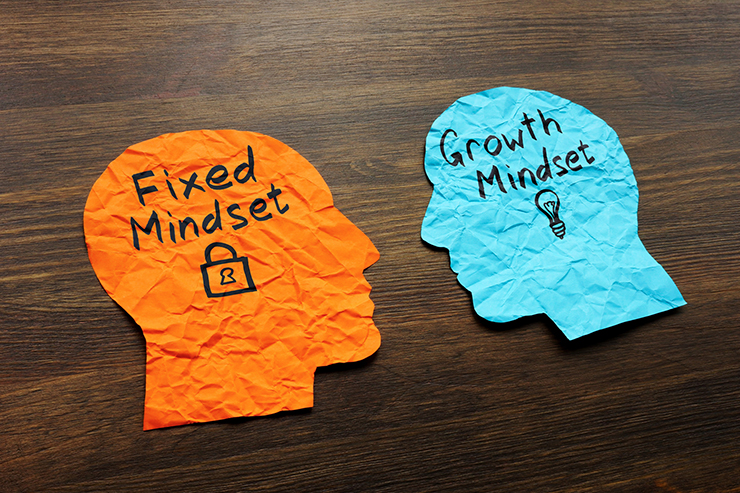
Regular engagement in flow activities builds resilience and adaptability, helping leaders handle challenges and crises more effectively. Flow activities encourage a growth mindset, enabling leaders to view challenges as opportunities for development.
Stronger Team Dynamics
Encouraging team members to find and engage in their own flow activities can lead to improved collaboration and team performance. Creating a work environment that values deep work and focused engagement can boost overall productivity and morale.
Elevated Leadership Presence
Leaders who regularly experience flow are more inspiring and motivational to others. Their ability to focus and achieve results sets a positive example for their teams. A CEO who prioritizes flow activities may develop a reputation for being calm, focused, and highly effective, attracting top talent and fostering a strong organizational culture.
Practical Steps for Integrating Flow into Leadership
Incorporate Flow into Daily Routines
Schedule specific times for flow activities into your daily routine, balancing professional responsibilities with personal interests. For example, set aside an hour each morning for strategic planning or a favorite hobby before diving into daily meetings.
Assess Training and Development Programs
Implement workshops and training sessions on achieving flow for leaders and teams. Encourage ongoing learning and skill development to facilitate flow. Organizations can offer training on time management, mindfulness, and goal setting to help leaders and employees enter flow more easily.
Create a Supportive Environment
Design workplaces that support deep work and minimize distractions. Encourage practices that promote focus, such as quiet hours and designated deep workspaces. Foster a culture that values focus, creativity, and well-being by recognizing and rewarding employees who demonstrate flow and high engagement.
The Importance of Flow for Leaders
In summary, flow enhances productivity, creativity, job satisfaction, and stress management while positively impacting leadership abilities. Leaders who regularly engage in flow activities are more effective, resilient, and satisfied – a pretty powerful business case.
The Call to Action
Here’s your personal challenge: Embrace the transformative power of flow for leadership and personal fulfillment! Start small and gradually integrate flow activities into your life. Experiment with different activities and strategies to find what works best for you. And drop me a line to let me know how it’s working for you.
Reference
- Csikszentmihalyi, M. (1990). Flow: The Psychology of Optimal Experience. Harper & Row.
© Patti Cotton and patticotton.com. All rights reserved. Unauthorized use and/or duplication of this material without express written permission from the author is strictly prohibited. Excerpts and links may be used, provided that attribution is made to Patti Cotton and patticotton.com, with links thereto.

Patti Cotton reenergizes talented leaders and their teams to achieve fulfillment and extraordinary results. For more information on how Patti Cotton can help you and your organization, click here.